 Managed IT Services
 Business Continuity (BCDR)
 Cloud Telephony
 Managed Infrastructure
 Microsoft Azure
 Microsoft Teams Phone
 Cyber Security Services
 Microsoft 365 For Business
 Brisbane
 Aviation
 Healthcare
 Field Service
 Finance
 Manufacturing
 Small Business
 Legal
 Travel
IT Support vs Managed Services: What’s the Difference?
February 5, 2024by Levit8 IT Solutions

IT support helps when something goes wrong or a specific task needs doing. Managed IT services go further, taking ongoing responsibility for monitoring, maintaining and supporting your technology. The difference isn’t simply how quickly an issue gets fixed. It’s who looks after your systems before a problem interrupts your business.
Levit8 Business IT Solutions has carved out a reputation for providing top-notch IT services that cater to the diverse needs of businesses across Brisbane, Sydney, Gold Coast, and Melbourne.
Below, we’ll look at how both approaches work, what they typically include and when one might make more sense than the other.

The Differences Between IT Services and Managed IT Services
| IT support | Managed IT services | |
|---|---|---|
| Approach | Usually reactive or on request | Ongoing and proactive |
| Responsibility | Resolving specific issues or tasks | Monitoring, maintaining and supporting agreed systems |
| Pricing | Often hourly, per incident or project | Usually a recurring monthly fee |
| Security | Depends on the support arrangement | Can include ongoing security monitoring and maintenance |
| Planning | Often focused on immediate needs | Can include longer-term IT planning |
| Best suited to | Occasional issues or specific projects | Businesses needing consistent IT support and oversight |
In the realm of corporate technology solutions, two terms often come into play: IT support and managed services. Though they might seem interchangeable at first glance, they cater to distinct needs within a company.
IT support
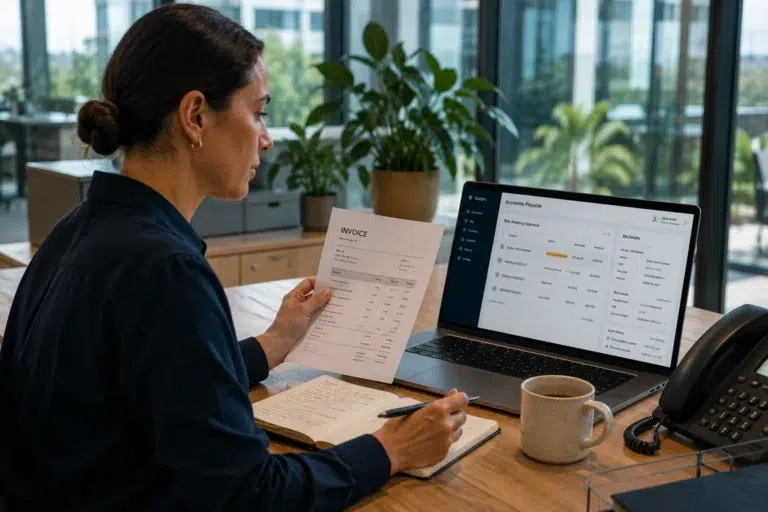
IT support is help when you need it. That might mean troubleshooting a laptop that won’t connect, resolving an email issue or setting up equipment for a new employee. It can also cover one-off projects, such as an office network upgrade.
Support may come from an internal IT team or an external provider. The arrangement is often reactive, although some support agreements include ongoing maintenance or preventative work.
Managed IT services
Managed IT services, on the other hand, embody a spectrum of continuous, comprehensive support. Unlike IT support, which is sought after in response to particular problems, managed services proactively take charge of a business’s IT environment.
Services under this umbrella include but are not limited to, regular updates to systems, continuous monitoring of IT infrastructure, and support for various functionalities such as e-commerce.
A practical example
Imagine several employees suddenly lose access to a shared business application.
With on-demand IT support, someone reports the issue and a technician investigates, restores access and resolves the immediate problem.
Under a managed IT arrangement, the provider may already be monitoring the affected systems. That can help identify warning signs, investigate the cause and coordinate a response before more employees are affected.
Both approaches can resolve the issue. The difference is the level of ongoing oversight and responsibility included in the service agreement.
Differences in scope and duration
The scope and duration of the support provided further differentiate IT support from managed services. IT support is more transient—geared towards addressing short-term, specific projects or issues as they arise.
Conversely, managed services aim for the long haul, offering broad and continuous support to ensure the smooth operation of a company’s IT ecosystem over time.
This distinction underscores the reactive nature of IT support, which deals with problems after they’ve occurred, as opposed to the proactive approach of managed services, which seeks to anticipate and mitigate issues before they impact the business.
Decision factors you should consider when hiring managed IT or IT support services
Choosing between IT support and managed services hinges on multiple factors, chiefly the nature of a company’s IT needs. A business grappling with occasional tech hurdles may find IT support more appropriate, whereas those requiring uninterrupted IT system functionality often lean towards managed services. It’s about weighing the need for short-term assistance against the value of long-term IT stability and security.
When Does Each Approach Make Sense?
Neither approach is automatically better. What matters is how much your business depends on its technology and what support you already have.
On-demand IT support may be enough when:
- Your systems are relatively simple and technical issues are infrequent.
- You already have someone managing day-to-day IT.
- You mainly need help with specific problems or projects.
Managed IT services may make more sense when:
Your team relies on connected systems throughout the working day.
You need consistent maintenance, monitoring and cybersecurity support.
Your business has multiple locations, growing infrastructure or limited internal IT resources.
You prefer a predictable support arrangement rather than organising help whenever something breaks.
Managed IT comes with an ongoing cost, and not every business needs the same level of coverage. The important question is whether that investment matches the risks, responsibilities and demands of your business.
For a closer look at the trade-offs, read our managed IT versus break-fix support guide or our in-house IT versus MSP comparison.
All the Advantages of Managed IT Services Whether you’re a Small, Medium, or Enterprise Business
Let’s dive into all the advantages managed IT services can bring to your business, whether you’re a small local business in Brisbane or a national enterprise.
1. Proactivity and Continuous Support
The cornerstone of managed IT services lies in their proactive and all-encompassing support. Unlike traditional IT support which often operates on a break-fix model, managed services from providers like Levit8 ensure businesses enjoy 24/7 support and automatic updates, significantly reducing the chances of downtime.
This preemptive approach is critical in today’s fast-paced business environment where even minimal downtime can result in substantial revenue loss and customer dissatisfaction.
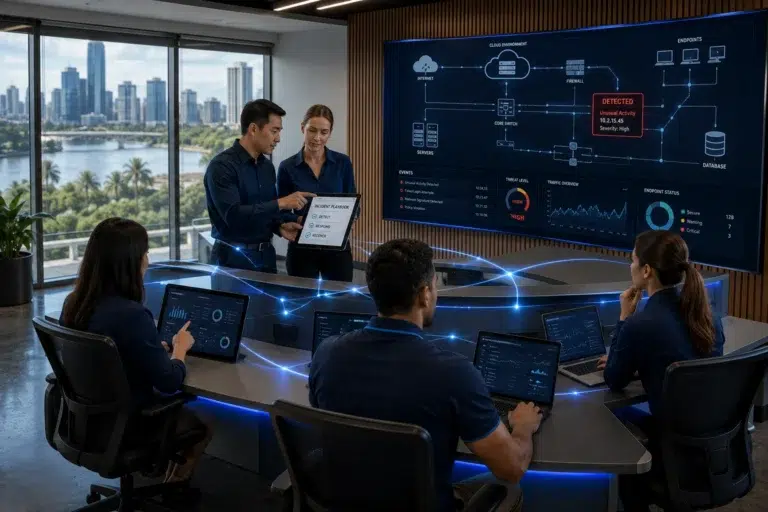
The ongoing monitoring of IT systems plays a pivotal role in this ecosystem. It’s not just about fixing issues as they occur; it’s about identifying potential problems before they manifest into more significant concerns. Alongside, robust security measures are implemented to safeguard businesses from vulnerabilities and cyber threats, thus offering a shield that keeps operational and data integrity intact.
Discover Levit8’s Client Support Centre.
2. Cost-Efficiency and Scalability
Cost considerations play a crucial role in any business decision, and IT is no exception. Opting for managed IT services can lead to substantial savings for businesses of all sizes. By reducing or even eliminating the need for an in-house IT department, companies can lower their operational costs. Managed services offer scalable solutions that grow with your business, ensuring you pay only for the services you need when you need them.
Levit8 prides itself on scalable support packages that offer unmatched flexibility in IT infrastructure management, adapting seamlessly to the changing needs of your business.
This scalability is especially beneficial for small to medium-sized businesses that anticipate growth but wish to avoid the steep upfront investment in IT infrastructure and personnel.
3. Specialized Expertise and Access to Advanced Technologies
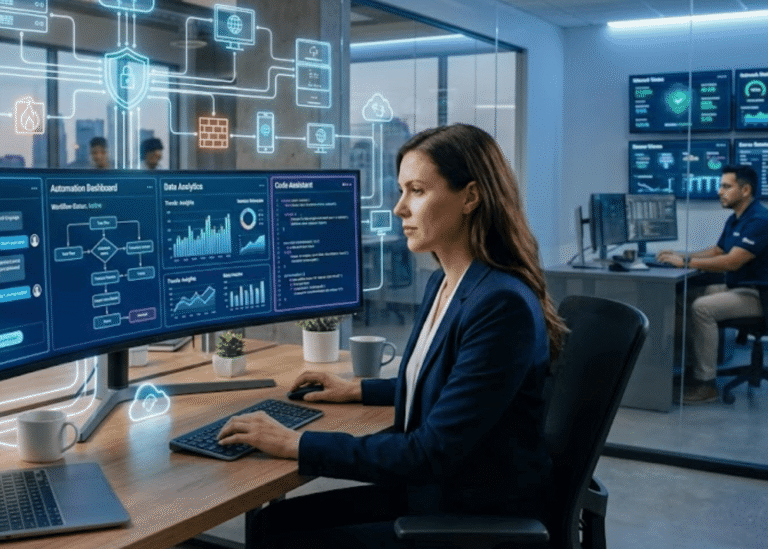
Outsourcing to a managed IT services provider opens doors to specialized expertise and cutting-edge technologies without necessitating heavy investment. Levit8 brings to the table advanced technologies such as Cloud computing, Microsoft 365 for businesses, and Microsoft Azure, ensuring businesses benefit from the latest in the IT domain. This access not only drives innovation but also enhances competitive advantage in the market.
4. Customization and Business Alignment
One of the most significant advantages of managed IT services is the ability to tailor offerings to the specific needs and goals of a business. Customization ensures that every solution implemented not only addresses current requirements but also aligns with long-term business objectives. This strategic alignment significantly boosts efficiency and productivity, enabling businesses to focus on core operations while their IT needs are expertly managed.
In essence, managed IT services provide a comprehensive, cost-effective, and flexible IT management solution that can adapt to the needs of businesses of all sizes. Levit8’s expertise in delivering tailored IT solutions ensures that your business is not just running but thriving, powered by a solid and secure IT infrastructure.
Conclusion
Navigating the complex landscape of IT services can be a daunting task for businesses of all sizes. The choice between opting for IT support for discrete projects or engaging with managed services for ongoing, comprehensive assistance is critical. It’s paramount to understand the unique needs of your business, weighing the benefits of proactive, continuous support against the need for occasional, targeted IT intervention.
Levit8 Business IT Solutions stands at the forefront of providing expert IT guidance and support, leveraging cutting-edge tools and frameworks like the Australian Cyber Security Centre’s Essential Eight to ensure businesses across Australia benefit from streamlined, secure, and highly efficient IT operations. Our commitment is towards enabling your business to thrive in an increasingly digital landscape, ensuring operational excellence and safeguarding your digital assets.
We strongly encourage businesses to consider the long-term benefits and reliability of managed IT services as a strategic investment in their overall success and continuity. Managed services not only offer a safety net against potential IT failures but also align your IT operations with your business goals, driving growth and innovation.
For personalized advice and to explore how managed services or IT support can be tailored to meet your unique requirements, we invite you to consult with the experts at Levit8 Business IT Solutions.
Frequently Asked Questions
Is managed IT the same as unlimited IT support?
Not necessarily. Managed IT agreements often include day-to-day user support, but the exact coverage depends on the provider and service agreement. Projects, hardware purchases and specialist systems may be handled separately.
Does a managed service provider still provide IT support?
Yes. IT support is typically part of a managed IT service. The difference is that the provider also takes on agreed responsibilities such as monitoring, maintenance, security and ongoing planning.
Can we keep our internal IT team and use a managed provider?
Yes. This is known as co-managed IT. Your internal team and external provider share responsibilities based on their capabilities and your business requirements. It can be useful when you need additional expertise or coverage without replacing your existing staff.
Author
Levit8 IT Solutions
Levit8 is a leading Australian managed IT services provider, helping businesses across industries improve performance, boost security, and scale confidently through smart, reliable technology. With a passion for efficiency, security, and client success, our local team delivers expert support, enterprise-grade solutions, and a no-nonsense approach to IT. We empower small and mid-sized businesses with future-proof systems, robust cybersecurity, and seamless support—so technology becomes an asset, not a headache.