 Managed IT Services
 Business Continuity (BCDR)
 Cloud Telephony
 Managed Infrastructure
 Microsoft Azure
 Microsoft Teams Phone
 Cyber Security Services
 Microsoft 365 For Business
 Brisbane
 Aviation
 Healthcare
 Field Service
 Finance
 Manufacturing
 Small Business
 Legal
Legal Travel
What is and isn’t Included in Managed IT Services
January 11, 2025by Levit8 IT Solutions

Many businesses assume Managed IT Services simply mean outsourced IT support. In reality, a Managed IT provider can handle everything from proactive monitoring and cybersecurity to backups, strategic IT planning, and day-to-day user support. For a broader overview, read our guide to what managed IT services are and how they work.
However, not every provider includes the same services. Understanding what is and isn’t included in a Managed IT agreement can help you compare providers, avoid unexpected costs, and choose the right level of support for your business.
For businesses across Australia, partnering with an experienced Managed IT provider can improve reliability, strengthen cybersecurity, and provide more predictable IT costs. At Levit8, we apply this proactive approach to help organisations reduce downtime and better support their long-term technology goals.
In this guide, you’ll learn:
- What is typically included in a Managed IT Services agreement
- Which services are commonly billed separately
- Why Managed IT inclusions vary between providers
- Questions to ask before signing with an MSP
What Managed IT Actually Includes
At its core, Managed IT combines ongoing technical support, proactive monitoring, maintenance, cybersecurity, and IT strategy into one complete service.
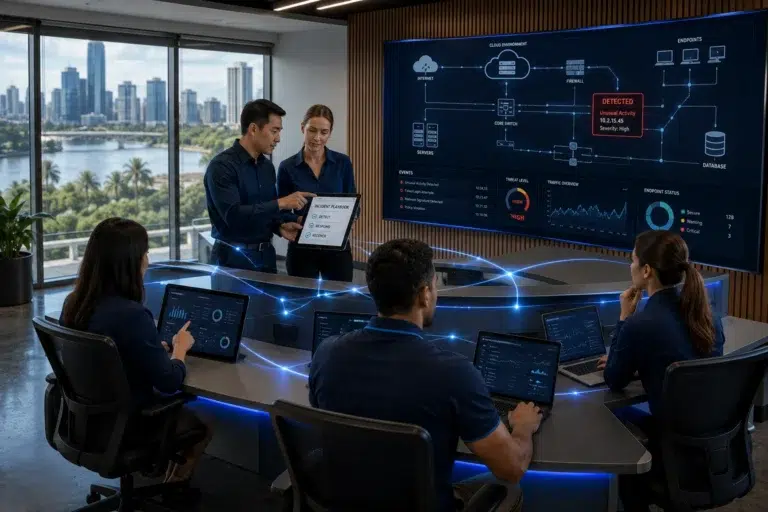
Rather than calling for help only when something breaks, businesses gain access to a team of dedicated IT professionals who manage systems around the clock, helping prevent problems before they cause downtime.
While inclusions vary between providers, a comprehensive Managed IT agreement will typically include:
- 24/7 monitoring and maintenance to detect and resolve issues before they affect productivity.
- Patch management and regular updates to keep systems secure and current.
- Data backups and disaster recovery to protect critical business information.
- Cybersecurity protection that evolves alongside new threats.
- User support and training to help staff use technology effectively.
- Strategic IT advice and planning to align technology with business goals.
Rather than simply fixing issues as they arise, Managed IT is designed to proactively maintain, secure, and optimise your technology environment to support long-term business growth.

What Managed IT Doesn’t Include
A common misconception is that Managed IT covers everything related to technology, but that’s not the case. Understanding what’s not included helps set clear expectations and build a stronger partnership.
Managed IT isn’t:
- A break-fix service. Traditional “call us when it breaks” models react to problems. Managed IT focuses on prevention and continuous improvement.
- A one-size-fits-all solution. Every business is different. The best Managed IT providers tailor their services to your size, industry, and infrastructure.
- A replacement for business ownership or control. Managed IT doesn’t take control away from you. It gives you greater visibility and better information for decision-making.
- A short-term fix. True Managed IT is a long-term partnership that grows with your business, not a temporary solution.
A good Managed IT partnership should give businesses greater visibility into their technology environment while providing expert guidance, transparent reporting, and ongoing strategic support.
Why Managed IT Inclusions Vary Between Providers
No two Managed IT providers package their services in exactly the same way. While most providers include helpdesk support, monitoring, maintenance, and cybersecurity, additional services such as cloud migrations, Microsoft licensing, after-hours support, strategic consulting, or compliance reporting may be offered as optional add-ons.
Rather than comparing providers based solely on monthly price, it’s important to understand exactly what is included in the agreement and which services may incur additional costs.
If you’re comparing providers, our Managed IT Pricing Guide explains how service inclusions, support levels, infrastructure complexity, and cybersecurity requirements can influence your monthly investment.
Benefits of Managed IT Services
Managed IT Services deliver measurable value for businesses that rely on technology every day. Here are some of the key benefits businesses can expect from a proactive Managed IT provider.
1. Cost Efficiency Without Compromise
Running a full in-house IT team can be expensive. Managed IT replaces unpredictable repair costs with one consistent monthly fee. This makes budgeting easier while giving you access to enterprise-grade expertise without the payroll overhead. Our in-house IT vs MSP comparison explores the costs, capabilities, and trade-offs of each model.
By supporting multiple businesses, Managed IT providers can often deliver enterprise-level expertise at a lower cost than maintaining a fully staffed in-house IT department.
2. 24/7 Support and Accountability
Technology doesn’t sleep, and neither should your IT support. With round-the-clock monitoring and helpdesk availability, issues can be detected and resolved before users even notice a problem.
Many Managed IT providers offer proactive monitoring, helpdesk support, and regular reporting to help minimise downtime and maintain business continuity. Effective business continuity and disaster recovery planning can also help organisations prepare for outages, cyber incidents, and other disruptions.
3. Enhanced Cybersecurity and Risk Management
Cyber threats continue to evolve. From phishing and account compromise to ransomware, businesses need security controls that are maintained alongside their wider IT environment.
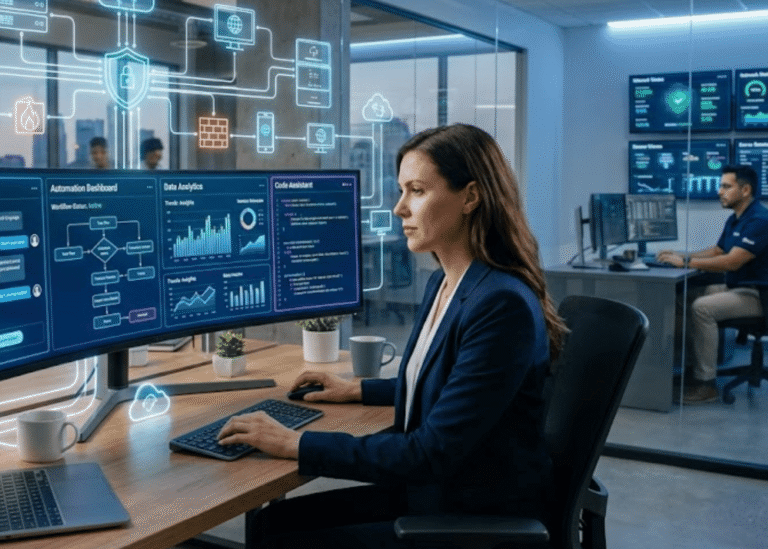
Modern Managed IT Services often integrate cybersecurity into day-to-day IT operations through endpoint protection, patch management, backup monitoring, identity controls, and proactive threat detection. Some providers also offer security assessments and ongoing risk management as part of their service.
Many organisations combine Managed IT Services with dedicated Cyber Security Services to strengthen protection against evolving threats and improve overall business resilience.
4. Human-Centred IT Support
Effective Managed IT isn’t just about technology. The best providers combine technical expertise with clear communication, responsive support, and long-term relationships that help businesses get more value from their technology investment.
At Levit8, we believe Managed IT should be as much about people as technology. That means clear communication, responsive support, and practical advice that helps businesses make confident technology decisions, not just resolving technical issues when they arise.
Why Businesses Choose Managed IT
For organisations in industries such as finance, healthcare, education, and manufacturing, uptime and data protection are non-negotiable. Managed IT provides a strategic foundation for business continuity and digital growth.
By outsourcing IT management to trusted experts, internal teams can focus on what matters most, including innovation, customer experience, and core business priorities. Learn more about the benefits of outsourcing IT services for Australian businesses.
Managed IT also supports modernisation efforts, including:
- Cloud adoption and hybrid work solutions
- Automation and workflow improvements
- Data compliance and reporting requirements
Ultimately, Managed IT isn’t just about keeping technology running. It’s about helping your business run better.
Questions to Ask Before Signing
Before choosing a Managed IT provider, ask:
- Are cybersecurity tools included or billed separately?
- Are backups and disaster recovery included?
- What support hours are covered?
- Are onsite visits included?
- How are projects quoted?
- Are Microsoft licensing and cloud services included?
You should also confirm how response times are measured, who owns escalated tickets, what reporting is provided, and how the provider handles offboarding if the agreement ends. You can also use our guide on what to look for when selecting Managed IT Services to compare providers more thoroughly.
Is Managed IT Right for Your Business?
If your organisation relies heavily on technology but struggles with downtime, inconsistent support, or unplanned costs, Managed IT may be a good fit.
It’s particularly valuable for businesses that need:
- 24/7 uptime and fast response times
- Advanced data protection and cybersecurity
- Support for remote and hybrid teams
- Predictable monthly costs and reduced risk
With Managed IT, your technology becomes a strategic advantage instead of a constant concern.
Managed IT is more than outsourced technical support. It’s a long-term partnership focused on improving reliability, strengthening cybersecurity, and helping businesses use technology more strategically as they grow.
Levit8 Perspective
At Levit8, we believe every Managed IT agreement should clearly define what’s included, what’s optional, and how additional services are quoted. Clear expectations build stronger partnerships and better long-term outcomes.
Frequently Asked Questions
What is usually included in Managed IT Services?
Most Managed IT Services agreements include helpdesk support, proactive monitoring, patch management, cybersecurity, backup oversight, and ongoing maintenance. The exact inclusions vary between providers and service tiers.
What isn’t usually included in Managed IT Services?
Large-scale projects such as cloud migrations, office relocations, hardware purchases, software licensing, and specialised consulting may be quoted separately depending on your agreement.
Does Managed IT include cybersecurity?
Most Managed IT providers include baseline cybersecurity measures such as endpoint protection, patch management, and backup monitoring. More advanced services such as Security Operations Centre monitoring, penetration testing, or compliance consulting may be available as optional add-ons.
Does Managed IT include Microsoft 365 support?
Many providers include Microsoft 365 administration, user management, and basic support as part of their Managed IT agreement. Licensing costs and advanced migration projects may be billed separately.
How do I compare Managed IT providers?
Rather than comparing providers on price alone, review what’s included in the agreement, support hours, cybersecurity services, response times, reporting, project scope, and any additional costs that may apply.
Reviewing Managed IT Providers?
Not all Managed IT providers include the same level of support, cybersecurity, monitoring, or strategic services.
If you’re reviewing providers or comparing Managed IT agreements, the Levit8 team can help you understand what’s included, identify potential gaps, and recommend the level of support that best suits your business.
Author
Levit8 IT Solutions
Levit8 is a leading Australian managed IT services provider, helping businesses across industries improve performance, boost security, and scale confidently through smart, reliable technology. With a passion for efficiency, security, and client success, our local team delivers expert support, enterprise-grade solutions, and a no-nonsense approach to IT. We empower small and mid-sized businesses with future-proof systems, robust cybersecurity, and seamless support—so technology becomes an asset, not a headache.